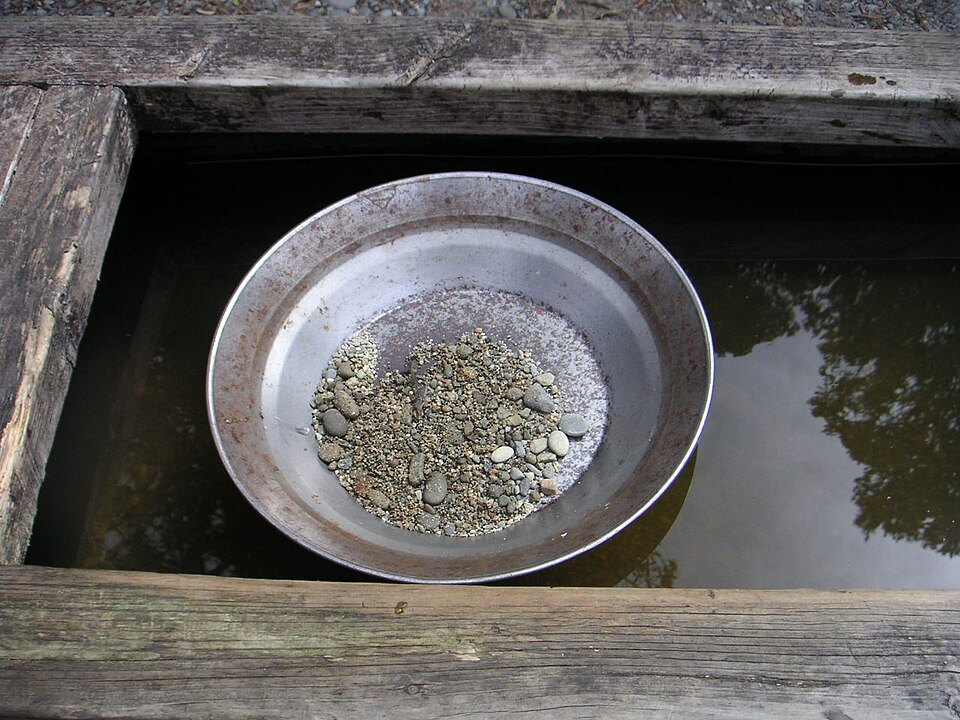
Ask any experienced East Tennessee hobby prospector why one person can spend four hours panning a Monroe County creek and find only two tiny specks of flour gold, while another panner working fifty yards upstream walks away with thirty bright flakes and a coarse "picker" in their glass vial. Almost every time, the difference comes down to two words: bedrock crevicing.
1. Why Placer Gold Never Stops Sinking Until It Hits Bedrock
Because gold is nearly seven times denser than ordinary river sand and gravel, gold does not sit lazily in loose surface sand bars. During violent winter and spring flash floods in the Unicoi and Great Smoky Mountains, the entire top layer of loose creek gravel shifts and churns. Every time the gravel bed liquefies during high water, placer gold works its way deeper downward until it hits an impenetrable barrier: solid bedrock (or a tightly compacted clay "false bedrock" layer).
In the Coker Creek and Tellico Ranger District streams, the bedrock consists of tilted, folded layers of the Precambrian Ocoee Supergroup—specifically hard metasiltstone, slate, phyllite, and schists. Where those tilted rock strata cut across a stream channel like sawteeth, they act just like the riffles in a sluice box!
Heading to the Cherokee National Forest or Coker Creek? Pack a U.S. Forest Service Class 1 compliant hand-panning kit: the Garrett Deluxe Gold Panning & Classifier Kit, a Stainless Bedrock Crevicing & Snuffer Bottle Kit for cleaning slate cracks, and a Plunger Black Sand Magnet.
2. Step-by-Step Bedrock Crevicing Technique (USFS Class 1 Compliant)
Note: Under U.S. Forest Service Class 1 rules, you cannot use heavy iron crowbars or wedges to break or split live bedrock ledges. Instead, you clean out the existing cracks, pockets, and crevices using non-destructive hand crevicing tools:
- Locate Exposed or Shallowly Buried Slate Ribs: Look for places where tilted slate or schist ledges angle across the inside bend of a creek, either just above the waterline (high-water flood traps) or under 4 to 10 inches of slow, clear water.
- Clear the Overburden Cobbles by Hand: Remove the loose top rocks covering the bedrock crack and brush away the light blonde surface sand.
- Loosen Compacted Paydirt With a Curved Stainless Crevice Scratcher: Deep inside a narrow bedrock crack, you will feel tightly packed grit, small quartz pebbles, dark iron-stained clay, and heavy black magnetite sand. Use a hook-tipped bedrock crevice scratcher to loosen the packed material all the way to the bottom of the V-shaped crack.
- Scoop and Vacuum the Bottom of the Crack: Use a narrow crevice spoon to transfer the grit into your classifier sieve and gold pan. Then, before moving on, use a large snuffer bottle (or hand suction tube) directly inside the wet bottom of the bedrock crack to suck up the last heavy grains that a spoon cannot reach—that bottom eighth of an inch is where the heaviest gold flakes hide!
Pair this bedrock crevicing method with our 6-Step Gold Panning Technique Guide and watch your flake count multiply on your very next trip.