June 8, 2026 • By East Tennessee Gold Buyers
Is Now a Good Time to Sell Gold? How to Think About Timing
Market cycles, inflation hedges, geopolitical drivers, and why waiting for the perfect moment usually costs more than it gains. A practical guide for East Tennessee gold sellers.
The most common question we get isn’t “how much is my gold worth?” It’s “should I wait?” People have been sitting on jewelry and coins for years, watching prices move, convinced that the right moment is just around the corner. Here’s our honest, practical answer.
Where Prices Have Been
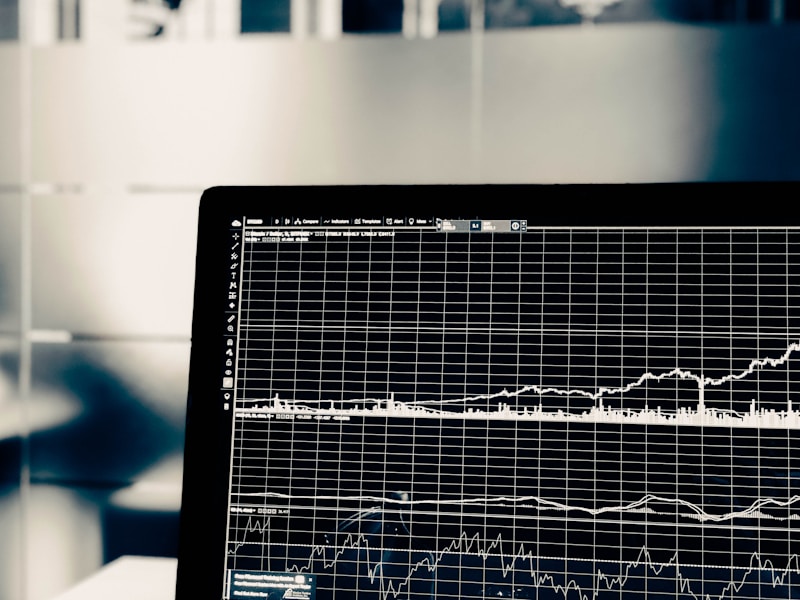
Gold spent most of the 2010s trading in a narrow band. Then prices began climbing in 2019, accelerated through the pandemic years, and have continued rising since. The drivers are real and well-understood: sustained inflation, a weakening dollar, aggressive central bank buying by China, India, and other nations, and persistent geopolitical instability that keeps investors moving toward safe-haven assets.
Gold functions as an inflation hedge because it holds purchasing power over time in a way that paper currency does not. When the dollar loses buying power, gold denominated in dollars tends to rise. When financial systems look unstable, investors — from individuals to sovereign wealth funds — increase their allocation to gold. These dynamics don’t turn off overnight.
Why Nobody Times Gold Markets Perfectly
Here’s the truth about market timing: professional commodity traders with sophisticated models, real-time data feeds, and decades of experience cannot reliably call the top of a gold cycle. The idea that a seller in Knoxville will identify the perfect exit point is not realistic, and holding out for it is usually a losing strategy.
The price you see today reflects the collective judgment of every participant in a global market — banks, hedge funds, central banks, industrial buyers, and millions of individual investors. That judgment is already baked into the current price. New information — a Federal Reserve announcement, a geopolitical event, an inflation report — will move the market in ways nobody predicted.
What actually happens when people wait: the price moves up a little, so they wait more. Then it dips, and they’re convinced it’ll recover. Then it rises again, and the cycle repeats. Meanwhile, the gold is still in the drawer, earning nothing.
The Opportunity Cost Nobody Talks About
Gold pays no interest and yields no dividend. Every month your gold sits unsold, you’re giving up whatever that cash could have done for you — whether that’s a repair on the house, a debt paid off, or simply sitting in a savings account earning yield.
If gold rises 5 percent over the next six months but you’re holding in hopes of that gain, you also need to account for the six months of time value on the cash you didn’t have. The break-even is less impressive than it sounds.
The spread matters too. If your gold is worth $1,000 at melt and you receive 60 percent — $600 — then gold needs to rise more than 67 percent from today just for you to clear the same $600 after the dealer’s margin at a future date. Markets can do that, but they can also go sideways or fall.
What Actually Drives Price Spikes — and Falls
When gold prices spike sharply, it’s usually one or more of these: a sudden decline in the dollar’s value, a banking crisis or credit event, a major geopolitical shock, or a surprise inflation reading. These events are, by definition, not predictable with enough lead time for a casual seller to act on them.
When prices fall, it’s often: a strong dollar rally, rising real interest rates, a risk-on environment where equities and other assets attract capital away from safe havens. Again, not reliably predicted in advance.
The practical implication: sellers who do best are those who sell when it works for their life, not when they’ve convinced themselves they’ve called the market.
When a Short Wait Is Reasonable
There are situations where pausing makes sense.
If there’s a significant, known macroeconomic event in the next two to three weeks — a Federal Reserve rate decision that markets are pricing in aggressively, a scheduled political event with obvious market implications — and you believe it will push gold meaningfully higher, waiting is rational speculation. Know that it is speculation.
If you’re selling a substantial lot — an estate collection worth several thousand dollars — a few percentage points of price difference matters in absolute terms. Watching prices for a few weeks before selling a large lot is a reasonable approach.
If prices have just experienced an obvious, explainable short-term dip with no change in the underlying fundamentals, waiting for a recovery is sensible.
For most sellers with a few pieces of jewelry or a modest coin collection: none of these conditions apply. The right moment is the moment that works for your life.
A Practical Decision Framework
Check today’s live gold prices and run a rough melt-value estimate on your pieces. If the number surprises you — and for most people who haven’t checked in a while, it will — that’s relevant information.
Then ask yourself: is there a realistic reason to believe prices will be significantly higher in 30, 60, or 90 days? If you can’t articulate a specific, evidence-based answer to that question, the wait is hope, not strategy.
When you’re ready to see what your pieces are worth today, request a free quote. We show you the full math. You decide. There’s no obligation until you say yes.
Get a Free Quote Today
Ready to sell? No pressure. Bring your items and leave with cash.
Request a Free Quote