Just twenty-five miles west of downtown Knoxville across Clinch River ridges in Anderson and Roane Counties lies Oak Ridge, Tennessee—site of the largest and most extraordinary physical precious metals operation in human history. During World War II, the United States Army Corps of Engineers secretly transported 14,700 tons (approximately 430 million troy ounces) of pure U.S. Treasury silver bullion into Oak Ridge to build the massive electromagnetic coils of the Y-12 National Security Complex.
Why the Manhattan Project Needed Silver Bullion Instead of Copper
In the summer of 1942, Nobel laureate physicist Ernest O. Lawrence and his team developed the Calutron (California University Cyclotron) to separate the fissile uranium-235 isotope from uranium-238 using colossal electromagnetic fields inside oval "racetrack" vacuum tanks at Oak Ridge's Y-12 plant. Constructing thousands of massive electromagnet coils required tens of thousands of tons of electrical conductor metal—yet in 1942, copper was critically rationed for shell casings, naval wiring, and aircraft engines.
Silver, however, has an electrical conductivity 6% higher than copper (in fact, pure silver is the most electrically and thermally conductive metal on the periodic table). And the United States Treasury had billions of ounces of .999 fine silver bullion sitting idle inside the newly built West Point Bullion Depository in New York.
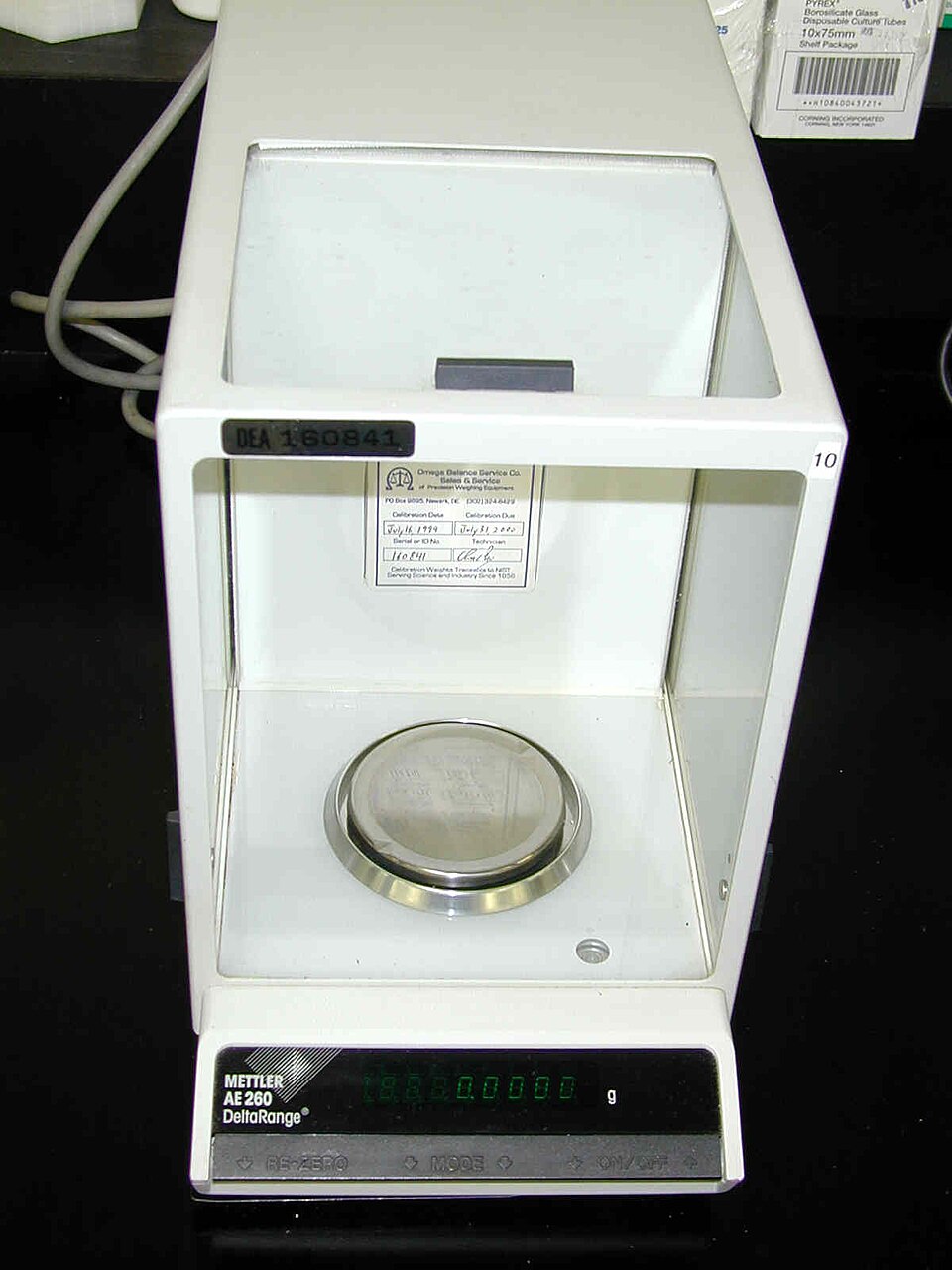
Before buying or liquidating coins and bullion in Tennessee, verify exact troy weight and dimensions at home with a 0.01g Digital Troy Ounce Scale, a Bullion Acoustic Ping Tester & Digital Caliper, or a non-destructive Precious Metal Verifier.
Colonel Nichols and the "Troy Ounces" Conversation
On August 3, 1942, Colonel Kenneth D. Nichols (Deputy District Engineer of the Manhattan District, which initially established its field headquarters in Oak Ridge and Knoxville) met with Under Secretary of the Treasury Daniel W. Bell to request between 5,000 and 15,000 tons of Treasury silver. When Bell famously replied that the U.S. Treasury did not measure silver in tons, but strictly in troy ounces, Nichols recalculated the request to roughly 300 million to 430 million troy ounces.
Between October 1942 and late 1943:
- 14,700 tons of 1,000-troy-ounce .999 fine silver bullion bars were removed under armed guard from West Point.
- The bars were cast into cylindrical billets at the Defense Plant Corporation refinery in Carteret, New Jersey, extruded into strips at Phelps Dodge in Bayway, New Jersey, and wound into magnet coils at Allis-Chalmers in Milwaukee, Wisconsin.
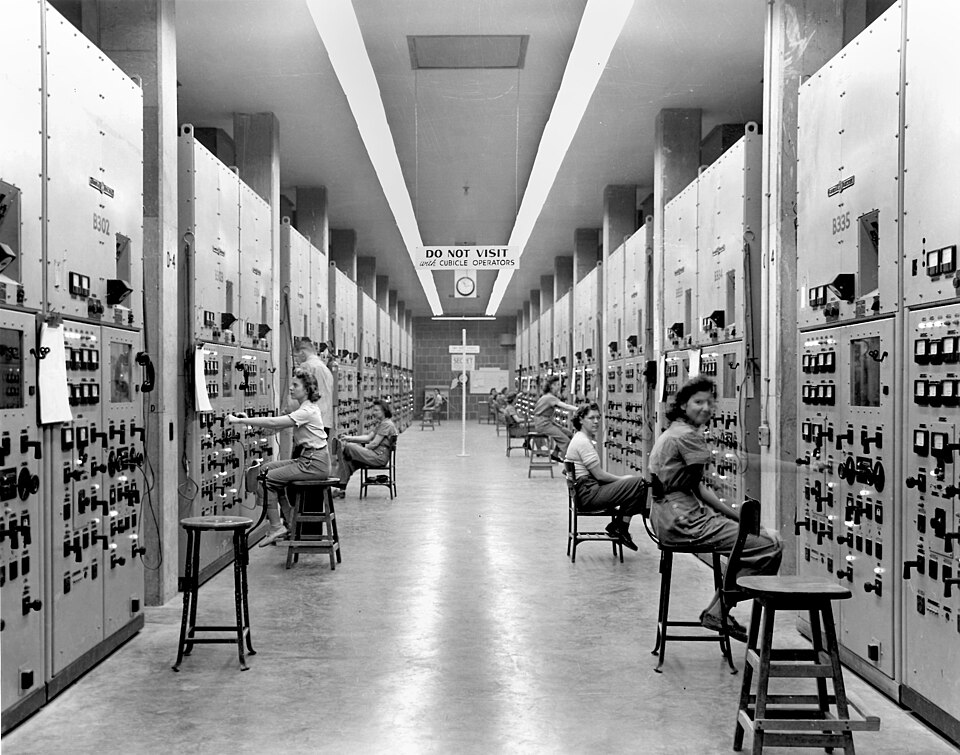
- Armed railroad cars delivered the sealed silver-wound magnets to Y-12 in Oak Ridge, where young East Tennessee women—known to history as the "Calutron Girls"—monitored the control panels 24 hours a day while hundreds of millions of dollars of solid silver hummed with electric current just feet behind the steel walls.
Accounting for Every Ounce Through 1970
Security and metallurgical accounting were so strict that when coils were constructed or dismantled, workers vacuumed floor sweepings and burned old floorboards to recover microscopic silver filings. When the last wartime calutron magnets were finally decommissioned and melted back down at Y-12 in May 1970, less than 0.036% (less than four one-hundredths of one percent) of the original 14,700 tons had been lost across 28 years of casting, winding, and remelting.
Today, that history underscores why silver remains both an indispensable industrial conductor and a timeless monetary asset. Residents of Oak Ridge, Clinton, and Anderson County looking to buy or sell silver bullion, coins, or estate jewelry can consult our Oak Ridge & Anderson County Appraisal Guide or visit our sister portal at Knoxville's Gold Authority.